
Hokkaido off the beaten path: original photographs and local history from overlooked places beyond Japan’s familiar travel routes.
Hokkaido is often pictured through snow, dramatic landscapes, and well-known tourist attractions. There is another side to this northern island: towns reshaped by coal mining and dam construction, shopping streets where daily life continues, and roads with histories of their own. If you are looking for lesser-known places in Hokkaido, these three stories offer a starting point.
This is a small collection from a Japanese-language travel and local-history blog. I visit places across Hokkaido, photograph what remains today, and investigate the stories behind ordinary streets and overlooked landscapes. A place does not have to be famous to matter to the people who remember it.
Reading the articles: The full stories linked below are written in Japanese and include original field photographs. You can use your browser’s translation feature to read them in English or another language.
A coal town beneath Lake Shuparo — Kashima, Yubari
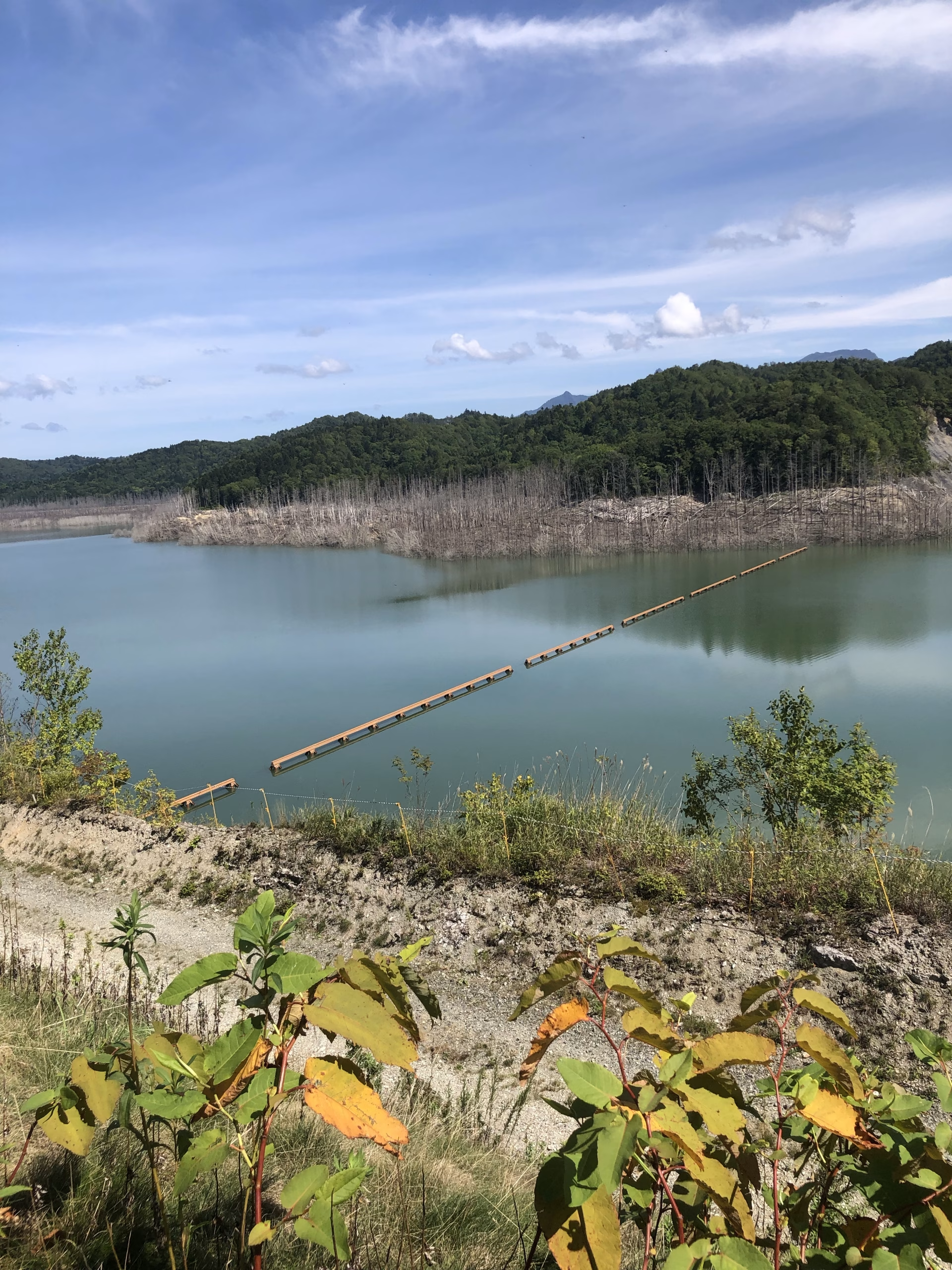
Kashima was once part of the busy Oyubari coal-mining district, with homes, schools, shops, and the rhythms of everyday life. After the mine closed, the remaining community was eventually relocated as the dam project advanced. Much of the former town now lies beneath Lake Shuparo.
In September 2021, unusually low water levels exposed old roads and traces of the settlement. The photographs in this article record what could be seen then, alongside the history of the town and its railway. They are a record of that visit, not a description of conditions today.
Explore Kashima’s former streets and history (Japanese article)
The Ginza shopping streets of Asahikawa — ordinary life, layered history

Not every place in this collection is abandoned. Asahikawa’s Ginza district is a living shopping area where old markets, entertainment venues, and newer buildings stand alongside each other. Its history reaches from the city’s early development through cinemas, shops, and changes in how people spend their days.
The Japanese article follows the streets on foot and examines the district’s name and history using local sources. It is a glimpse of regional Japan through places that were made for everyday life, not primarily for visitors.
Walk through Asahikawa Ginza’s history (Japanese article)
Wakkanai’s White Road — a path made from scallop shells

Across the Soya Hills near Wakkanai, a striking white road winds through grassland overlooking the sea. The surface is covered with crushed scallop shells — a local resource given an unexpected second use.
The story goes beyond the view. An earlier shell-covered path appeared in 1999; the present tourist route was completed in 2011 and requires continued maintenance. The full article explores that history, with photographs and a short field video. The road is subject to seasonal closures, so current access information should be checked separately.
Discover the story of Wakkanai’s White Road (Japanese article)
Before you explore
These are records of particular visits, not promises about current access. Former mining settlements and old structures may be unsafe, inaccessible, or on private land. Please respect signs, property boundaries, and local restrictions. For roads and other public places, check current seasonal access before making a trip.
More than a travel checklist
These three places are different: a submerged community, a working shopping district, and a landscape shaped by local industry. Together they show why I keep recording Hokkaido beyond the standard sightseeing route. Sometimes a familiar street or an empty road holds the most important memories for someone who once lived nearby.
More stories of Hokkaido’s old railways, former mining communities, local restaurants, and changing towns can be found in the Japanese archive. Thank you for exploring this part of northern Japan.